

Sleep Crisis and Why It Matters More Than You Think: Sleep Disorders Treatment in Nagpur
It’s 1 AM. A student is still scrolling reels “for five more minutes.” A working professional is replying to one last work chat. A parent is checking family WhatsApp groups instead of switching off the light. Across Nagpur and across India – an entire generation is quietly losing its most basic biological need: sleep.
This isn’t laziness or bad habits alone. It’s a sleep crisis, and it’s connected to something bigger – rising stress, anxiety, and depression across every age group.

Why Every Generation Is Losing Sleep
- Students (school & college): Late-night studying combined with phone use, exam pressure, and comparison culture on social media keeps the brain “switched on” long after books are closed.
- Young professionals: Work stress, late-night emails, OTT binge-watching, and doomscrolling replace wind-down time with more screen stimulation.
- Parents & middle-aged adults: Financial pressure, family responsibilities, and constant phone notifications create a mind that won’t quiet down at night.
- Elderly generation: Loneliness, health anxiety, and disrupted routines – sometimes worsened by family members glued to their own phones instead of connecting – lead to fragmented, poor-quality sleep.
The common thread across all ages: mobile phones, laptops, and social media have replaced natural wind-down time, and the body’s sleep-wake cycle is paying the price.
Signs of a sleep disorder (Not Just “A Bad Night”)
- Taking over 30 minutes to fall asleep, most nights
- Waking up multiple times or waking exhausted despite hours in bed
- Reaching for the phone immediately upon waking or before sleeping
- Racing thoughts or overthinking the moment the lights go off
- Daytime fatigue, irritability, or trouble concentrating
- Reversed sleep-wake cycles (awake all night, sleepy all day)
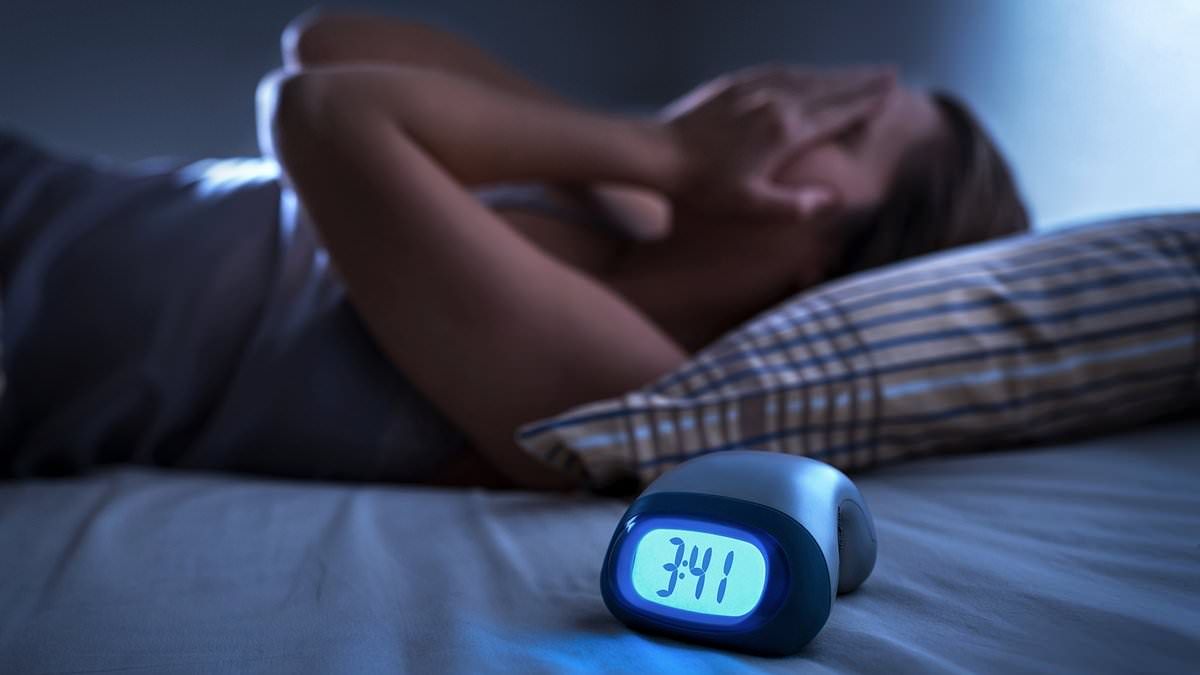
Types of Sleep Disorders
Not all sleep problems are the same – knowing which one fits helps in getting the right treatment:
- Insomnia – difficulty falling or staying asleep, the most common type seen in students and working professionals
- Sleep anxiety – dread or racing thoughts specifically about not being able to sleep, which then makes sleep harder
- Delayed sleep phase – the body’s natural sleep time shifts very late (2–4 AM), common in heavy screen users and night-shift patterns
- Fragmented sleep – frequent waking through the night, leaving the body without deep, restorative rest
- Hypersomnia – excessive daytime sleepiness despite adequate night-time sleep, sometimes linked to depression
What Causes a sleep disorder – Lifestyle vs. Medical Reasons
Screens and stress are common triggers, but they’re not the only causes. It’s worth separating the two:
- Lifestyle causes: late-night phone/social media use, irregular sleep schedules, caffeine close to bedtime, academic or work pressure, overthinking
- Medical/underlying causes: existing anxiety or depression, hormonal changes (common in teenagers and during menopause), thyroid issues, chronic pain, certain medications, and in some cases genetics or family history of sleep disorders
This distinction matters because lifestyle-driven sleep issues often improve with counselling and habit changes, while medically rooted ones need a proper psychiatric assessment to identify and treat the actual underlying cause which is exactly why Sanmarg starts every case with an assessment rather than assuming it’s “just stress.”
How Screen Time and Social Media Fuel the Crisis
- Blue light exposure delays melatonin release, tricking the brain into staying alert
- Doomscrolling and comparison on social media trigger anxiety right before bed
- Notifications and chatting keep the brain in “response mode,” blocking true rest
- Dopamine-driven apps make the brain crave “one more scroll,” pushing sleep later each night
Over time, this doesn’t just cause tiredness – it becomes a real sleep disorder, often tangled together with anxiety and depression.
Is It Just Poor Sleep, or Something More?
Poor sleep and mental health feed each other in a loop: stress causes poor sleep, and poor sleep worsens stress, anxiety, and low mood. If disrupted sleep continues for more than 2–3 weeks and affects daily functioning, it’s no longer “just a phase” – it needs proper evaluation.
How Sanmarg Helps: Sleep Disorders Treatment in Nagpur
At Sanmarg Mind Wellness and Rehabilitation Centre, sleep issues are treated at the root, not just with a sleeping pill:
- Psychiatric & sleep assessment – understanding screen habits, stress levels, mood, and lifestyle before treatment begins
- One-on-one counselling – addressing overthinking, anxiety, and habits driving poor sleep
- Family counselling – helping households build healthier routines together, across generations
- Doctor-led treatment – evidence-based therapy and medication only where genuinely needed
- Digital detox guidance – practical, realistic screen-time boundaries for students, professionals, and parents alike
If you’ve been searching for Sleep Disorders Treatment in Nagpur, a rehab center in Nagpur, or help for stress and depression, Sanmarg’s structured, family-inclusive approach treats the person not just the symptom.
Practical Tips to Protect Your Sleep
- Keep phones outside the bedroom, or on airtime mode, 30-45 minutes before sleep
- Fix a consistent sleep and wake time, even on weekends
- Replace late-night scrolling with a wind-down habit – reading, light stretching, journaling
- Avoid heavy screen use, caffeine, or work right before bed
- Talk about stress instead of numbing it with more scrolling
- If sleep problems persist beyond a few weeks, seek professional help early
Frequently Asked Questions
1. Can too much phone use really cause a sleep disorder?
Yes. Blue light delays melatonin release, and stimulating content keeps the brain alert, both of which disrupt the natural sleep cycle when done close to bedtime.
2. Is insomnia linked to depression and anxiety?
Often, yes. Poor sleep and mental health conditions like anxiety and depression frequently occur together, each worsening the other.
3. Does this affect only students, or adults and elderly too?
All age groups are affected – students due to exams and social pressure, adults due to work stress and screen habits, and elderly due to loneliness and disrupted routines.
4. Where can I get proper Sleep Disorders Treatment in Nagpur?
Sanmarg Mind Wellness and Rehabilitation Centre offers psychiatric assessment, counselling, and structured treatment for sleep disorders, stress, anxiety, and depression on its Wardha Road campus in Nagpur.
5. What is the difference between anxiety and depression in students?
Anxiety usually shows up as constant worry and restlessness, while depression shows up as low energy and hopelessness. Many students experience both together, which is why proper assessment matters.
6. How many hours of sleep does a student actually need?
Most teenagers need 8–10 hours of sleep a night for the brain to consolidate memory and manage stress properly. Studying till 2 AM and waking at 6 AM might feel productive, but it actually reduces retention and increases anxiety the next day – the brain simply hasn’t had time to process what it learned.
7. Can anxiety be treated without medication?
Yes, in many cases. Mild to moderate anxiety often responds well to counselling, lifestyle changes, and sleep correction alone. Medication is only introduced when symptoms are more severe or don’t improve with therapy – it’s never the first or only step at Sanmarg.
8. Is it normal to feel more tired even after 7–8 hours of sleep?
Not if it happens regularly. Waking up tired despite enough hours in bed often points to poor sleep quality – frequent waking, late-night screen use, or high stress hormones – rather than poor sleep quantity. This is one of the most common early signs of a sleep disorder.
9. What happens if a sleep disorder is left untreated for a long time?
Untreated sleep disorders don’t stay limited to tiredness – over months, they’re linked to worsening anxiety, depression, poor concentration, weakened immunity, and even long-term heart and metabolic issues. Early treatment is far easier than treating a problem that’s had years to build.
10. Is checking the phone right after waking up harmful?
It’s more common than people think, but it does set an anxious tone for the day – the brain jumps straight into notifications, messages, and comparison before it’s even fully awake. A short buffer of 10–15 minutes without a screen after waking can genuinely change how the rest of the day feels.
11. Does stress cause sleep problems, or do sleep problems cause stress?
Honestly, it goes both ways. Stress keeps the mind too alert to fall asleep, and poor sleep then makes the brain less able to cope with stress the next day. That’s why treatment at Sanmarg looks at both together, not one without the other.
12. Can old habits like excessive phone use actually be treated like an addiction?
Yes. When phone or social media use starts interfering with sleep, mood, or daily responsibilities and feels hard to control, it’s approached the same way any behavioral pattern is – with counselling, gradual boundary-setting, and support, not just willpower alone.
13. Is Sanmarg only for severe mental health cases, or can I visit for milder stress and sleep issues too?
Sanmarg sees people across the full range – from a student who just can’t sleep before exams to someone managing a longer-term condition. You don’t need to wait until things feel unmanageable to ask for help; early support is often quicker and easier.
When to Seek Help Immediately
If sleeplessness comes with hopelessness, withdrawal, or talk of being a burden – even once – please don’t wait. Reach out to a professional right away.
Call us today for a confidential consultation or visit sanmargmindcare.com to learn more about our de-addiction and mental health programs in Nagpur, depression, anxiety and stress management.
📍 12, 13, Mauza Sukali, Panjari Lodhi, off Wardha Road, Nagpur, Maharashtra 441108.
📞 +91 9028078791 | +91 9028078792 | +91 9112233955
📧 contact@sanmargmindcare.com
🌐 sanmargmindcare.com