
How Can You Tell If Someone Is Having a Manic Episode? Warning Signs Families Should Know

When someone suddenly starts sleeping very little, talking much faster than usual, making impulsive decisions, becoming unusually energetic or behaving in a way that seems completely different from their normal personality, families may wonder:
“Is this just a phase, or could it be a manic episode?”
It can be difficult for families to recognise mania, especially when the person does not feel that anything is wrong. A manic episode is more than simply being happy, excited or productive. In bipolar disorder, mania involves a significant change in mood, energy, activity and behaviour that is noticeable and can interfere with everyday life.
Recognising the warning signs early can help families seek appropriate psychiatric care in Nagpur before the situation becomes more disruptive or unsafe.
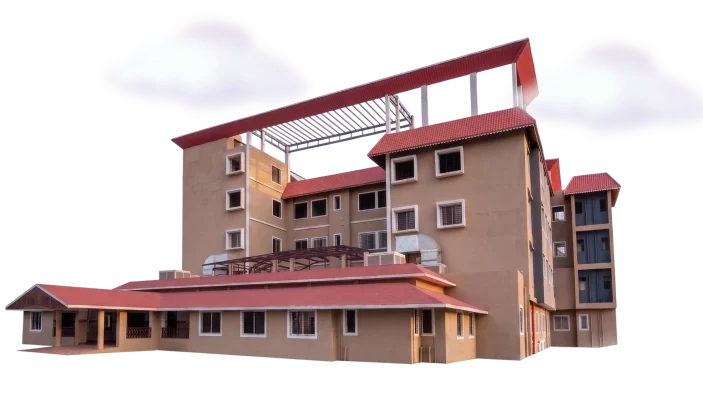
At Sanmarg Mind Wellness & Rehabilitation Centre, mood disorders including bipolar disorder and depression are part of its psychiatric services, with psychiatric care, psychological therapy and family support available within its broader care model.
Explore Bipolar & Mood Disorder Care at Sanmarg
What Is a Manic Episode?
A manic episode is a period in which a person’s mood, energy and activity level become significantly different from their usual pattern.
During mania, a person may feel unusually energetic, overly confident, extremely irritable or “wired.” They may sleep much less than usual while not feeling tired, talk rapidly, have racing thoughts or become involved in risky activities.
Mania can occur as part of bipolar disorder, although not every unusual change in behaviour means that a person has bipolar disorder.
A proper assessment is needed to distinguish bipolar disorder from other psychiatric conditions, medication effects, substance use and some medical conditions that can produce similar symptoms.
What Are the Early Warning Signs of a Manic Episode?
Families often notice the behavioural changes before the person seeks help.
Here are some signs worth paying attention to.
1. Sleeping Much Less but Not Feeling Tired
One of the important signs of mania is a decreased need for sleep.
This is different from simply having insomnia.
Someone may sleep only a few hours but still feel unusually energetic the next day. They may stay awake late working on projects, talking, travelling, planning or starting multiple activities.
A common parent question:
“My son is sleeping only three or four hours but says he feels completely fresh. Should I be worried?”
A reduced need for sleep combined with major changes in mood, speech, activity or behaviour deserves professional assessment.
2. Talking Much Faster Than Usual
A person experiencing mania may suddenly:
- Talk continuously
- Speak much faster
- Jump rapidly from one topic to another
- Interrupt others frequently
- Find it difficult to slow down
NIMH identifies rapid speech, racing thoughts and an unusually high level of activity among common manic symptoms.
The important point is change from the person’s normal behaviour.
3. Racing Thoughts and Too Many Ideas
Someone may suddenly have:
“I have ten new business ideas.”
“I can complete everything tonight.”
“I have a solution for everything.”
Their thoughts can move extremely quickly, making it difficult for them to stay focused on one subject.
NIMH describes racing thoughts and “flight of ideas” as symptoms associated with mania.
4. Unusually High Confidence or Feeling Extremely Powerful
During mania, a person may have an unusually inflated sense of their abilities, importance or power.
They may believe:
- They can achieve almost anything
- They have exceptional abilities
- They do not need normal limitations
- Ordinary rules do not apply to them
This does not mean that confidence itself is a symptom of bipolar disorder.
The concern is a marked and unusual change from the person’s baseline behaviour, particularly when it occurs together with other manic symptoms.
5. Sudden Impulsive or Risky Behaviour
Mania can affect judgment.
A person may suddenly:
- Spend large amounts of money
- Make risky investments
- Drive recklessly
- Make impulsive business decisions
- Become unusually sexually disinhibited
- Start dangerous activities
- Make major decisions without considering consequences
NIMH notes that mania can involve increased participation in activities with potentially painful or risky consequences.
Family question:
“Why is my normally careful family member suddenly taking huge financial or personal risks?”
A sudden change like this, especially alongside reduced sleep, rapid speech and increased energy, should be discussed with a mental-health professional.
6. Extreme Irritability Can Also Be Mania
Many people assume that mania always looks like extreme happiness.
That is not true.
A manic episode may involve intense irritability, anger or being unusually short-tempered rather than obvious happiness.
A person may become unusually argumentative or react strongly to situations that previously would not have bothered them.
7. Starting Many Projects but Not Finishing Them
A person may suddenly begin:
- Multiple business ideas
- New hobbies
- Major home projects
- New social activities
- Large financial plans
- Several goals at the same time
The increased activity may initially look positive.
The concern is when the change is extreme, unusual for the person and accompanied by other symptoms.
Is Mania the Same as Being Very Happy?
No.
Everyone experiences periods of excitement, confidence and increased energy.
Mania involves a much more significant change in mood, energy, activity and behaviour, often accompanied by reduced need for sleep, racing thoughts, rapid speech, impaired judgment or other noticeable changes.
A happy weekend, ambitious plan or late-night work session does not automatically indicate mania.
Is Very Little Sleep Always a Sign of Bipolar Disorder?
No.
Reduced sleep can happen because of:
- Stress
- Work
- Exams
- Anxiety
- Lifestyle changes
- Caffeine
- Certain medications
- Substance use
- Other health conditions
However, a reduced need for sleep combined with unusually high energy, rapid speech, racing thoughts or risky behaviour can be a reason to seek a professional assessment.
Can Mania Happen Without Depression?
Yes.
Bipolar disorders involve different mood episodes, and not every person experiences them in exactly the same way.
Some people experience manic or hypomanic episodes and depressive episodes at different times, while symptoms and patterns can vary significantly between individuals.
This is one reason why diagnosis should be based on the person’s history over time, rather than one unusual week.
What Is the Difference Between Mania and Hypomania?
Both can involve elevated or irritable mood, increased activity, less need for sleep and other similar symptoms.
The important difference is severity and level of impairment.
A manic episode is more severe and can significantly interfere with functioning or require hospital care. Hypomania is less severe and generally does not cause the same degree of functional impairment.
A psychiatrist can determine which pattern, if any, applies to the individual.
What Should Parents Do If They Notice These Changes?
The first step is usually not confrontation or arguing about the diagnosis.
Instead:
Stay calm
Try not to turn the conversation into an argument about whether the person is “acting strangely.”
Focus on observable changes
You can say:
“We have noticed that you are sleeping much less and your thoughts seem very fast. We are concerned about you.”
This is often more productive than saying:
“You are behaving like a bipolar patient.”
Encourage a psychiatric evaluation
A psychiatrist can assess the symptoms, previous episodes, medications, substance use, sleep pattern and medical history.
Sanmarg’s model includes comprehensive diagnostics, psychiatric care, psychological therapy and family counselling.
Book a Psychiatric Consultation at Sanmarg
Why Is a Psychiatric Assessment Important?
Several conditions can produce symptoms that resemble mania.
Diagnosis may involve considering:
- Current symptoms
- Previous mood episodes
- Sleep pattern
- Medication history
- Substance use
- Medical conditions
- Family history
- Functional changes over time
NIMH notes that conditions such as thyroid disease and the effects of certain prescribed, recreational or illicit drugs can mimic or worsen mood symptoms.
That is why self-diagnosing bipolar disorder from an online checklist is not enough.
What Happens During a Bipolar Disorder Evaluation?
A psychiatrist may ask about:
- Changes in sleep
- Changes in mood
- Increased energy
- Speech and thought patterns
- Risk-taking behaviour
- Previous depressive episodes
- Previous manic or hypomanic symptoms
- Substance use
- Medications
- Family history
- Changes in work, studies or relationships
The aim is to understand the person’s symptoms over time, not simply what is happening on the day of the appointment.
Sanmarg states that its psychiatric team uses detailed assessment before developing an individualised care plan.
How Is Bipolar Disorder Treated?
Treatment varies according to the person and the type and severity of symptoms.
NIMH describes treatment options including medications, psychotherapy or a combination of treatments. Mood stabilisers and certain atypical antipsychotics may be used depending on the clinical situation.
Psychological support can also be important.
Sanmarg’s current service model combines:
Psychiatric care + medication when needed + psychological therapy + counselling + family support + rehabilitation
rather than relying on only one form of treatment.
Learn About Sanmarg’s Mental Health Services
Can Family Members Help Someone Experiencing Mania?
Yes.
Families can help by:
- Noticing major changes early
- Encouraging professional assessment
- Supporting regular treatment
- Helping maintain a consistent routine
- Reducing unnecessary arguments
- Paying attention to risky behaviour
- Sharing useful observations with the treating team
NIMH recommends that families provide emotional support, encourage treatment, understand triggers and pay attention to major mood changes.
Sanmarg also specifically includes family counselling within its psychological care services.
When Does Mania Become an Emergency?
Urgent medical help is particularly important when a person:
- Is at risk of harming themselves or someone else
- Is severely confused or disconnected from reality
- Has hallucinations or delusions
- Is behaving in an extremely unsafe or uncontrollable way
- Cannot care for basic needs
- Has severe suicidal thoughts or behaviour
Severe manic episodes can include psychotic symptoms and can require hospital-level treatment.
Do not try to manage an immediate safety crisis through an online article. Seek urgent medical or emergency assistance.
What Should Families Avoid Doing?
Try to avoid:
“You are just overreacting.”
“Control yourself.”
“You don’t need a psychiatrist.”
“This is only because you are not sleeping properly.”
These statements may increase conflict without addressing the underlying problem.
Instead, focus on specific changes, safety and professional help.
When Should You Consult a Psychiatrist in Nagpur?
Consider a psychiatric consultation when unusual changes in mood, sleep, energy or behaviour are:
- Significant
- Repeated
- Increasing
- Affecting studies or work
- Affecting relationships
- Leading to risky decisions
- Accompanied by severe irritability
- Associated with suspiciousness or unusual beliefs
- Preventing normal daily functioning
Sanmarg provides psychiatric assessment and treatment for mood disorders including bipolar disorder and depression in Nagpur.
Meet Sanmarg’s Psychiatric Team
Frequently Asked Questions About Manic Episodes
How do I know if someone is having a manic episode?
Look for a noticeable change from their normal behaviour, such as much less need for sleep, unusually high energy, rapid speech, racing thoughts, extreme irritability, inflated confidence or risky behaviour. These symptoms should be professionally assessed rather than self-diagnosed.
Is sleeping only a few hours a night a sign of mania?
Not necessarily. However, a decreased need for sleep combined with increased energy, rapid speech, racing thoughts or risky behaviour can be a warning sign that deserves assessment.
Can a person with mania know that something is wrong?
Some people experiencing mania may not recognise the symptoms as a problem, particularly when they feel unusually energetic or confident. Family members may notice behavioural changes first.
Does every mood swing mean bipolar disorder?
No. Normal mood changes and many other conditions can cause changes in mood or behaviour. Bipolar disorder requires a proper clinical assessment of the person’s symptoms and history.
Can mania happen in teenagers?
Bipolar disorder can occur in children and teenagers, although symptoms can overlap with other conditions. Significant changes in mood, sleep, activity and behaviour should be assessed by an appropriate healthcare professional.
What should parents do during a manic episode?
Stay calm, focus on observable behaviour, pay attention to safety and encourage professional psychiatric assessment. Avoid turning the situation into an argument about diagnosis.
Can bipolar disorder be treated?
Yes. Bipolar disorder can be managed with appropriate ongoing treatment, which may include medication, psychotherapy and other forms of support depending on the individual.
When should someone with mania be taken to a hospital?
Urgent assessment is appropriate when there is immediate safety risk, severe confusion, psychosis, inability to care for basic needs or suicidal behaviour/thoughts. Severe mania may require hospital-level care.
Get Professional Help When the Change Is Significant
A sudden change in sleep, energy, speech, confidence, judgment or behaviour can be confusing for both the person experiencing it and their family.
You do not need to decide from an online article whether it is bipolar disorder or a manic episode.
A psychiatric assessment in Nagpur can help clarify what may be happening and what type of support is appropriate.
Sanmarg Mind Wellness & Rehabilitation Centre provides psychiatric, psychological and family-oriented mental-health care in Nagpur.
Contact Sanmarg Mind Wellness & Rehabilitation Centre
Book a Consultation / Contact Sanmarg
📍 12, 13, Mauza Sukali, Panjari Lodhi, off Wardha Road, Nagpur, Maharashtra 441108.
☎ +91 9028078791 | +91 9028078792 | +91 9112233955
Helpful Resources
Sanmarg Addiction & Rehabilitation Services
How to Choose a Nasha Mukti Kendra in Nagpur