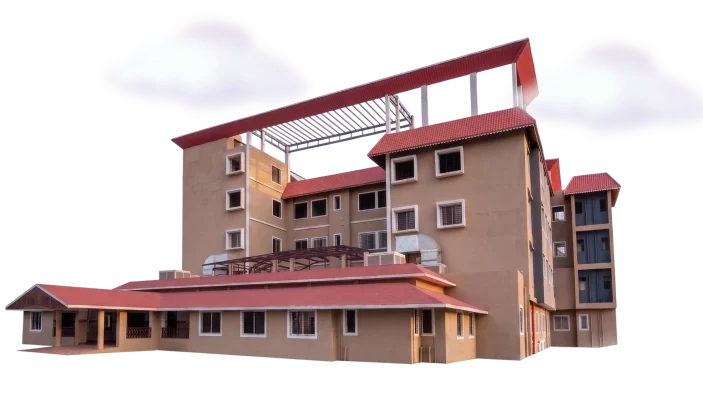

Alcohol Rehabilitation Centre in Nagpur: Cost, Process & What to Expect
It usually starts small. A drink at a friend’s birthday. “One peg” after a stressful week at work. A college farewell where everyone’s doing it, so it feels normal. Nobody plans to lose control – but for a growing number of young people and middle-aged adults in Nagpur, that “normal” drink quietly becomes a habit the body and mind can no longer live without.
What is Alcohol Addiction?
Alcohol addiction, medically known as Alcohol Use Disorder (AUD), is a condition in which a person loses control over their drinking despite it causing harm to their health, work, relationships, or family life. It isn’t a matter of willpower or character – it’s a recognized medical condition that affects brain chemistry, and one that responds well to proper treatment.
According to the World Health Organization (WHO), alcohol contributes to millions of deaths globally each year and is linked to numerous physical and mental health conditions – making early recognition and treatment genuinely lifesaving, not just life-improving.

Why Today’s Youth Sees Alcohol as “Normal”
For many young people, alcohol isn’t seen as a risk – it’s seen as a personality trait. Social media glamorizes party culture. Peer pressure makes refusing a drink feel awkward. College culture often treats heavy drinking as a rite of passage rather than a warning sign.
Common Causes of Alcohol Addiction
- Stress – using alcohol to cope with academic, career, or personal pressure
- Depression and anxiety – drinking to numb difficult emotions
- Trauma – unresolved past experiences driving the need to escape
- Peer pressure – especially strong among students and young professionals
- Family history – genetics and learned behaviour within the household
- College culture – normalized binge drinking during student years
- Workplace pressure – long hours, targets, and burnout among professionals
How It Affects Middle-Aged Adults Differently
For many working professionals and parents, alcohol becomes a way to manage work stress, financial pressure, or years of unspoken emotional exhaustion. Because they’re “functioning” – still going to work, still paying bills – the addiction often goes unnoticed for years, even by the person themselves. The damage builds quietly: health deteriorates, relationships strain, and children grow up watching a parent they can’t rely on.
Symptoms of Alcohol Addiction
- Physical symptoms: Shakiness, sweating, nausea, or restlessness when not drinking; needing more alcohol over time to feel the same effect.
- Behavioral symptoms: Drinking more or longer than intended; hiding or lying about consumption; failed attempts to cut down despite genuinely wanting to.
- Emotional symptoms: Irritability, anxiety, or low mood between drinks; using alcohol as the primary way to relax or cope.
- Social/functional symptoms: Neglecting work, family responsibilities, or personal health; continuing to drink despite it visibly damaging relationships.
If several of this sound familiar, sleep is often affected too – worth reading our guide on Sleep Disorders Treatment in Nagpur, since alcohol use and disrupted sleep frequently go hand in hand.
Who Needs Alcohol Rehabilitation?
Not everyone who drinks needs rehab – but it’s worth a proper assessment if:
- You’ve tried to cut down or stop and haven’t been able to
- Drinking is affecting your job, studies, or relationships
- You feel physically unwell (shaky, anxious, unable to sleep) without alcohol
- Family members have expressed concern more than once
- You’re drinking alone, secretly, or earlier in the day than before
If any of this feels familiar, it’s worth an assessment – waiting for a bigger crisis rarely makes recovery easier.

The Impact on Families
Alcohol addiction rarely affects just one person. Spouses live in constant uncertainty. Children grow up confused, anxious, or ashamed. Financial strain builds. Trust breaks down slowly, argument by argument.
Diagnosis, Withdrawal, Detox & Treatment – What Actually Happens
- Diagnosis: A psychiatric assessment reviews drinking history, physical health, and any underlying depression or anxiety contributing to the addiction. This determines whether outpatient counselling or supervised admission is needed.
- Withdrawal: When a dependent drinker stops suddenly, the body reacts – symptoms can include tremors, anxiety, sweating, nausea, and in severe cases, seizures. This is why stopping “cold turkey” without medical support can be dangerous.
- Detox: Medically supervised detox manages withdrawal safely, usually over 5–10 days, with medication and monitoring to keep the person stable and comfortable.
- Treatment: Once detox is complete, treatment shifts to therapy – individual counselling to address root causes, family counselling to rebuild trust, and psychiatric care for any co-occurring depression or anxiety.
- Recovery: Long-term recovery relies on continued counselling, relapse-prevention planning, and family support well beyond the initial treatment period.
Alcohol Rehabilitation Centre in Nagpur – The Process at Sanmarg
- Assessment first – confidential psychiatric evaluation of severity, physical health, and underlying conditions
- Safe, supervised detox – managing withdrawal medically
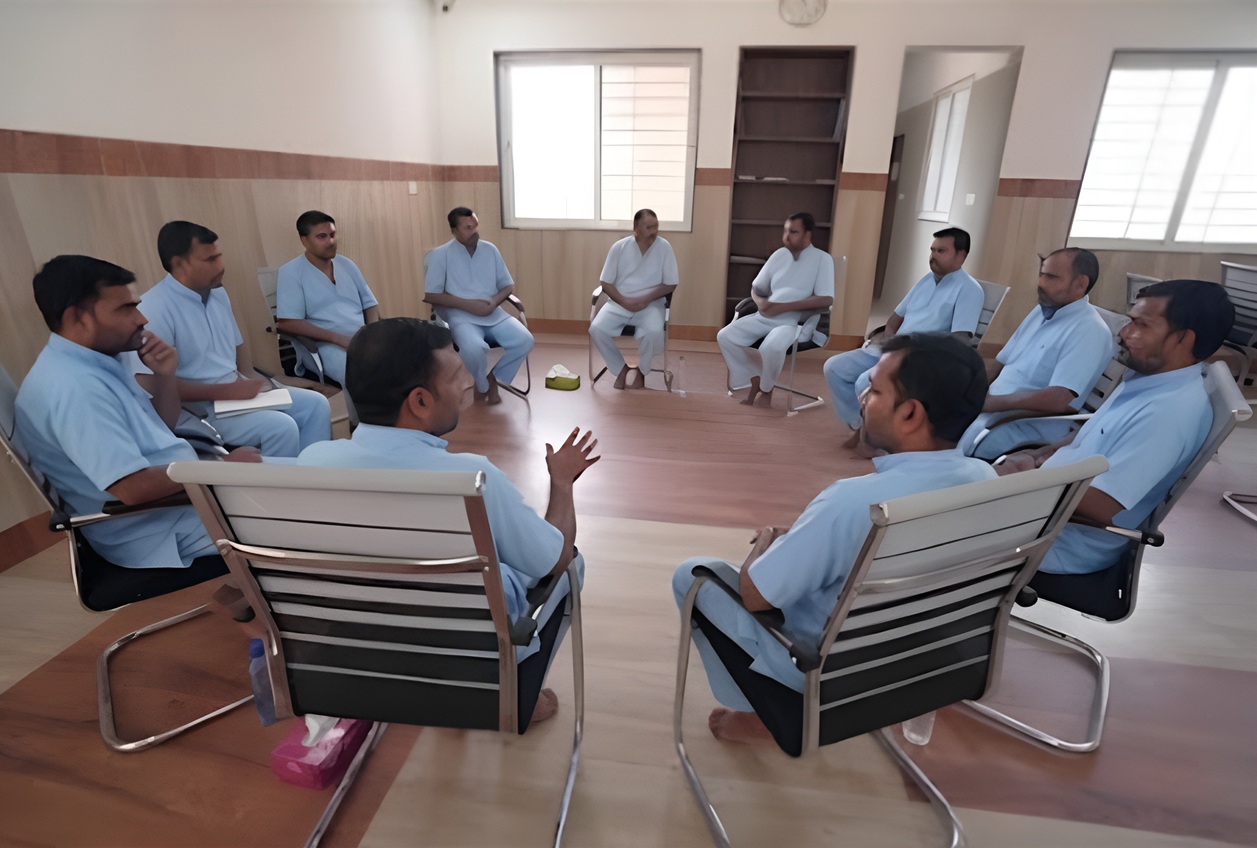
- One-on-one counselling – addressing root causes, not just the drinking
- Family counselling – rebuilding trust, teaching families how to support recovery without enabling relapse
- Relapse prevention & continued care – so recovery holds long-term
Benefits of Professional Alcohol Rehabilitation
- Safe, medically supervised detox instead of a risky at-home attempt
- Psychiatric support for underlying depression, anxiety, or trauma
- Structured family counselling that rebuilds relationships, not just sobriety
- Significantly lower relapse risk compared to unsupported attempts to quit
- A judgment-free space to be honest about what’s actually happening

What About the Alcohol rehabilitation cost in Nagpur?
Alcohol rehabilitation cost in Nagpur varies based on severity of addiction, whether medical detox is needed, and program length. At Sanmarg, costs are discussed transparently during the initial assessment – no hidden charges, and plans built around what the patient genuinely needs.
Practical Tips: How to Help Before It Becomes an Emergency
For the individual: Notice if you’re drinking to cope, not celebrate. Track how often “just one” turns into more. Talk to someone before it becomes harder to break.
For families: Don’t wait for a crisis. Approach with concern, not blame. Avoid covering up. Encourage professional help early.
Frequently Asked Questions
Q1. How do I know if it’s social drinking or an addiction?
If alcohol is needed to relax, function, or feel “normal,” or attempts to cut down repeatedly fail, it has moved beyond social drinking and needs professional evaluation.
Q2. What are the early signs of alcohol dependence?
Needing a drink to feel calm, drinking more than planned regularly, and mild withdrawal symptoms like restlessness or poor sleep when not drinking are usually the earliest signs, often noticed months before addiction becomes severe.
Q3. Is alcohol withdrawal dangerous to manage at home?
Yes, in moderate to severe cases. Withdrawal can involve serious physical symptoms, including seizures in extreme cases, and should be medically supervised rather than attempted alone.
Q4. What are alcohol withdrawal symptoms day by day?
Symptoms typically peak between 24-72 hours after the last drink – starting with anxiety and tremors on day one, potentially intensifying by day two or three, and gradually easing over the following week with proper medical support.
Q5. How long does alcohol detox take?
Medical detox usually takes 5-10 days, depending on the severity of dependence, followed by weeks to months of counselling for full recovery.
Q6. Can alcohol addiction be cured?
Alcohol addiction is best understood as manageable rather than “cured” – like a chronic condition, it can be brought into long-term remission with proper treatment, ongoing support, and relapse-prevention strategies.
Q7. Does alcohol damage the brain?
Yes, prolonged heavy drinking can affect memory, decision-making, and emotional regulation, though many of these effects can improve significantly with sustained sobriety and treatment.
Q8. Can a person recover without going to rehab?
Mild cases sometimes improve with outpatient counselling and strong personal motivation, but moderate to severe dependence usually needs structured, supervised treatment for safety and lasting recovery.
Q9. What happens if someone relapses after rehabilitation?
Relapse doesn’t mean treatment failed – it’s a common part of many recovery journeys and usually signals a need to adjust the treatment plan, not start over from zero. Ongoing counselling significantly reduces relapse risk.
Q10. How much does alcohol rehabilitation cost in Nagpur?
Cost depends on severity of addiction and length of treatment needed. Sanmarg provides a transparent estimate after the initial assessment, with no hidden charges.
Q12. Can family members attend counselling even if the patient refuses treatment?
Yes. Family counselling can begin independently – it helps loved ones respond without enabling the addiction and often becomes the first step that eventually brings the patient in for their own treatment.
Q13.Where can I find a trusted Alcohol Rehabilitation Centre in Nagpur?
Sanmarg Mind Wellness and Rehabilitation Centre offers psychiatric assessment, medically supervised detox, counselling, and family therapy for alcohol addiction on its Wardha Road campus in Nagpur.
When to Seek Help Immediately
If drinking has led to health scares, job loss, family breakdown, or thoughts of self-harm, please don’t wait for things to get worse on their own.
Patients from Wardha Road, Manish Nagar, Besa, Hingna, Dharampeth, Sitabuldi, Kamptee, and nearby areas across Nagpur, Maharashtra visit Sanmarg for alcohol rehabilitation, de-addiction, and mental health support.
📍 12, 13, Mauza Sukali, Panjari Lodhi, off Wardha Road, Nagpur, Maharashtra 441108.
📞 +91 9028078791 | +91 9028078792 | +91 9112233955
📧 contact@sanmargmindcare.com
🌐 sanmargmindcare.com
Also read: