

Introduction
You pick up your phone to check one notification, and forty minutes later you’re still scrolling, not even sure what you were looking for in the first place. If this sounds familiar, you’re not alone. Across Nagpur and the rest of the country, teenagers and young adults are spending several hours a day glued to screens, often without realizing how much time has slipped away. This pattern has a name: digital addiction, and it’s quietly shaping the mental and physical health of an entire generation. In this blog, we’ll break down why scrolling feels so hard to stop, what it’s doing to young minds and bodies, and how families in Nagpur can start making healthier choices around screen use.
What Is Digital Addiction?
Digital addiction refers to a compulsive, hard-to-control pattern of using phones, social media, or the internet, even when it starts interfering with daily life, sleep, studies, or relationships. It’s different from simply “using your phone a lot.” Someone dealing with digital addiction often feels restless or anxious without their device, keeps scrolling despite wanting to stop, and notices it affecting their mood, focus, or productivity.
At its core, this behaviour is closely tied to how our brain processes rewards. Every like, comment, or new video triggers a small dopamine release, the same brain chemical involved in other addictive behaviours. Over time, the brain starts craving that quick hit of stimulation, making it genuinely difficult to put the phone down, not just a matter of willpower.

Why We Can’t Stop Scrolling
The Dopamine Feedback Loop
Every time you get a notification or a new post appears, your brain releases a small burst of dopamine. This creates a loop: check phone, get reward, feel good, repeat. Over weeks and months, this loop gets stronger, and the brain starts seeking it out automatically, even during study time, meals, or right before bed.
Infinite Scroll and Algorithm Design
Most apps are intentionally built to keep users engaged for as long as possible. Features like infinite scroll (no natural stopping point) and personalised algorithms (content tailored to exactly what keeps you watching) are designed by teams whose job is to maximise time spent on the app. It’s not a lack of discipline; it’s engineering working exactly as intended.
FOMO and Social Validation
For many young people, social media isn’t just entertainment, it’s where social status and belonging get measured. The fear of missing out on a conversation, event, or trend, combined with the need for likes and comments as a form of validation, keeps users coming back repeatedly throughout the day.
Mental Health Impact of Digital Addiction on Youth
- Anxiety and Depression: Multiple studies have linked heavy social media use with higher rates of anxiety and depressive symptoms in teenagers, especially when usage involves constant comparison with others’ curated, filtered lives.
- Reduced Attention Span: Constant notifications and quick-content formats train the brain to expect instant stimulation. Over time, this can make it harder to focus on longer tasks like reading, studying, or even having an uninterrupted conversation.
- Sleep Disruption: Late-night scrolling delays sleep onset and reduces sleep quality, largely due to blue light exposure and mental overstimulation right before bed. Poor sleep, in turn, worsens mood, concentration, and academic performance the next day.
- Low Self-Esteem and Social Comparison: Constant exposure to filtered, idealised versions of other people’s lives can quietly chip away at self-worth, especially among teenagers who are still forming their sense of identity.
Physical Health Impact of Excessive Screen Time
Eye Strain and “Tech Neck”
Long hours of close-up screen viewing cause digital eye strain, dryness, and headaches. Constantly looking down at phones also leads to poor neck and spine posture, sometimes called “tech neck,” which can cause long-term musculoskeletal issues.
Sedentary Lifestyle
Excessive screen time often replaces physical activity, contributing to weight gain, poor stamina, and higher risk of lifestyle-related health issues at a young age.
Sleep Cycle Disruption from Blue Light Exposure
Blue light from screens suppresses melatonin production, making it harder for the body to wind down and fall asleep naturally.

Signs of Digital Addiction in Teenagers
Some common warning that parents should watch for the signs of digital addiction in children and young people themselves can watch for:
- Feeling anxious, irritable, or restless when the phone isn’t nearby
- Losing track of time while scrolling, often much longer than intended
- Neglecting studies, sleep, meals, or in-person relationships
- Checking the phone first thing in the morning and last thing at night
- Repeated, unsuccessful attempts to cut down screen time
- Using the phone to escape stress, boredom, or difficult emotions
If you’re noticing several of these patterns at home, it may be time to consider counselling for teenage phone addiction rather than waiting for the behaviour to resolve on its own.
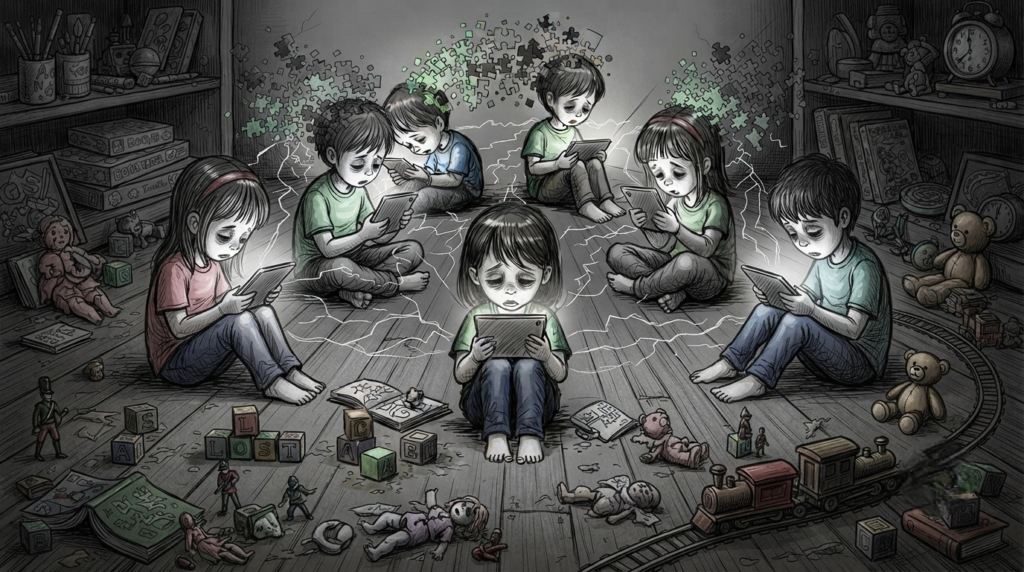
How to Break the Cycle: Practical Tips for Reducing Screen Time
Screen de-addiction counselling typically involves:
Set Screen Time Limits
Most smartphones now have built-in screen time tracking and app limit features. Setting a daily cap on social media apps is a simple, effective first step.
Try a Digital Detox Routine
Designating phone-free hours, such as during meals, the first hour after waking up, or the last hour before bed, helps rebuild a healthier relationship with screens.
Practice Mindful Social Media Use
Instead of mindless scrolling, try being intentional: check specific apps for a set purpose, then log off, rather than opening them out of habit.
Involve Parents and Schools
For teenagers, support from parents and schools matters. Open conversations about screen habits, along with practical boundaries, work far better than strict bans, which often backfire.
De-Addiction Treatment for Mobile and Gaming Addiction
Effective de-addiction treatment for mobile and gaming addiction doesn’t rely on simply taking the phone away. It focuses on understanding what the device is compensating for, whether that’s stress, loneliness, low self-esteem, or difficulty coping with emotions, and building healthier alternatives.
A structured mobile and gaming de-addiction treatment plan typically includes individual counselling, family involvement, and gradual behavioral changes rather than sudden restriction, which often backfires and increases resistance.
To genuinely stop gaming addiction in teenagers, treatment usually focuses on:
- Identifying emotional triggers behind excessive gaming
- Setting collaborative screen-time boundaries instead of strict bans
- Reintroducing offline activities and social interaction
- Teaching healthier coping strategies for stress, boredom, or anxiety
- Involving parents in consistent, supportive follow-through at home
When to Seek Professional Help
Occasional heavy phone use is common and not always a cause for concern. This is especially common among families in areas like Wardha Road, Manish Nagar, and Dharampeth, where academic pressure and packed schedules often push screen use higher without anyone noticing. But if screen use is consistently affecting sleep, academic performance, relationships, or emotional wellbeing, it may be time to speak with a mental health professional. A qualified psychologist can help identify if the behaviour is linked to an underlying issue like anxiety or depression and guide the person toward healthier coping strategies through mental health counselling for screen addiction. For families in Nagpur, reaching out to a local professional or counselling centre is a practical first step, rather than waiting for the problem to resolve on its own.
Why Choose a Gaming De-Addiction Centre in Nagpur
A trusted gaming de-addiction centre in Nagpur offers more than screen-time restrictions – it offers understanding, structure, and a real path to recovery through professional counselling.
Sanmarg Mindcare provides a judgment-free space for teenagers, with one-on-one counselling sessions that help them open up about the emotional or academic triggers behind excessive gaming. Alongside this, parent guidance sessions ensure families understand how to support recovery at home, making de-addiction treatment for teenagers a collaborative, personalised process rather than a one-size-fits-all approach.
For a gaming de-addiction centre in Nagpur that combines clinical counselling expertise with genuine care, Sanmarg Mindcare is here to support your family.
Frequently Asked Questions (FAQs)
Q1: Is scrolling on the phone actually addictive?
Yes. Frequent phone checking and scrolling triggers small dopamine releases in the brain, similar to other reward-based behaviours. Over time, this can create a genuine behavioural pattern that feels difficult to control, which is why experts refer to it as digital addiction rather than just a bad habit.
Q2: How much screen time is too much for teenagers?
There’s no single number that fits everyone, but most health experts suggest keeping recreational screen time to around 2 hours a day for teenagers, alongside good sleep, physical activity, and in-person social interaction. What matters most is whether screen use is interfering with sleep, studies, or mood.
Q3: Can digital addiction be reversed?
Yes, digital addiction can be managed and improved with consistent effort. Setting screen time limits, practising phone-free routines, and seeking support from family or a mental health professional can help rebuild healthier digital habits over time.
Q4: What are the physical effects of too much screen time?
Common physical effects include eye strain, headaches, poor posture (“tech neck”), disrupted sleep, and reduced physical activity, which over time can contribute to broader lifestyle-related health issues.
Q5: What are the early warning signs of digital addiction in teenagers?
Early signs include feeling anxious without the phone, losing track of time while scrolling, neglecting responsibilities, and repeatedly failing to cut down screen use despite wanting to.
Q6: Where can someone in Nagpur get help for digital addiction or related mental health concerns?
Local mental health professionals, psychologists, and counselling centres in Nagpur can help assess screen-use patterns and provide personalised strategies or therapy where needed. Reaching out early, rather than waiting for symptoms to worsen, generally leads to better outcomes.
Conclusion
Scrolling and gaming aren’t simply bad habits; they’re often responses to stress, loneliness, or emotional needs that deserve real understanding, not just restriction. With the right support, children and teenagers can build a healthier relationship with technology, one that doesn’t come at the cost of their mental or physical wellbeing.
If you’re in Nagpur and looking for compassionate, effective digital de-addiction in Nagpur, Sanmarg Mindcare is here to help your family navigate this with care, not judgment. Reach out to us to book a consultation and take the first step towards balance.
📍 12, 13, Mauza Sukali, Panjari Lodhi, off Wardha Road, Nagpur, Maharashtra 441108
☎ +91 9028078791 | +91 9028078792 | +91 9112233955
📧 contact@sanmargmindcare.com
🌐 sanmargmindcare.com